Seams start showing wear
Aging seams may need repair before coating. We'll inspect the roof and address problem areas in the plan.
Roof coatings in Utah
A roof coating may extend the life of a sound roof. We'll inspect the surface and explain whether restoration makes sense.
Licensed and insured. BBB accredited. Clear recommendations before work begins.
What you may notice
Aging seams may need repair before coating. We'll inspect the roof and address problem areas in the plan.
Sun exposure may leave older roof surfaces worn. We'll check whether the existing system remains a good candidate for coating.
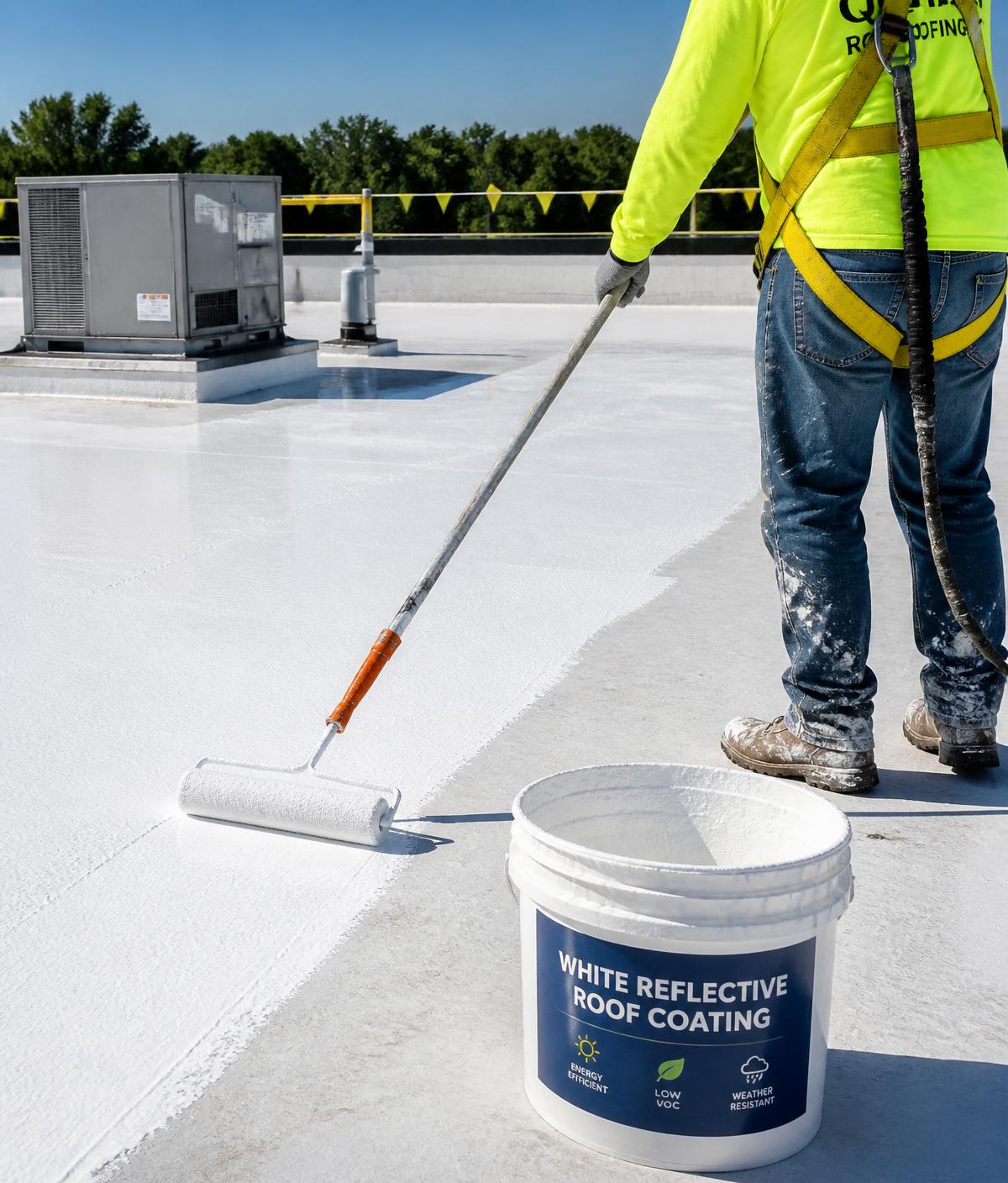
A reflective coating changes how much sunlight the roof surface absorbs. We'll explain where that type of system fits.
Roof coatings
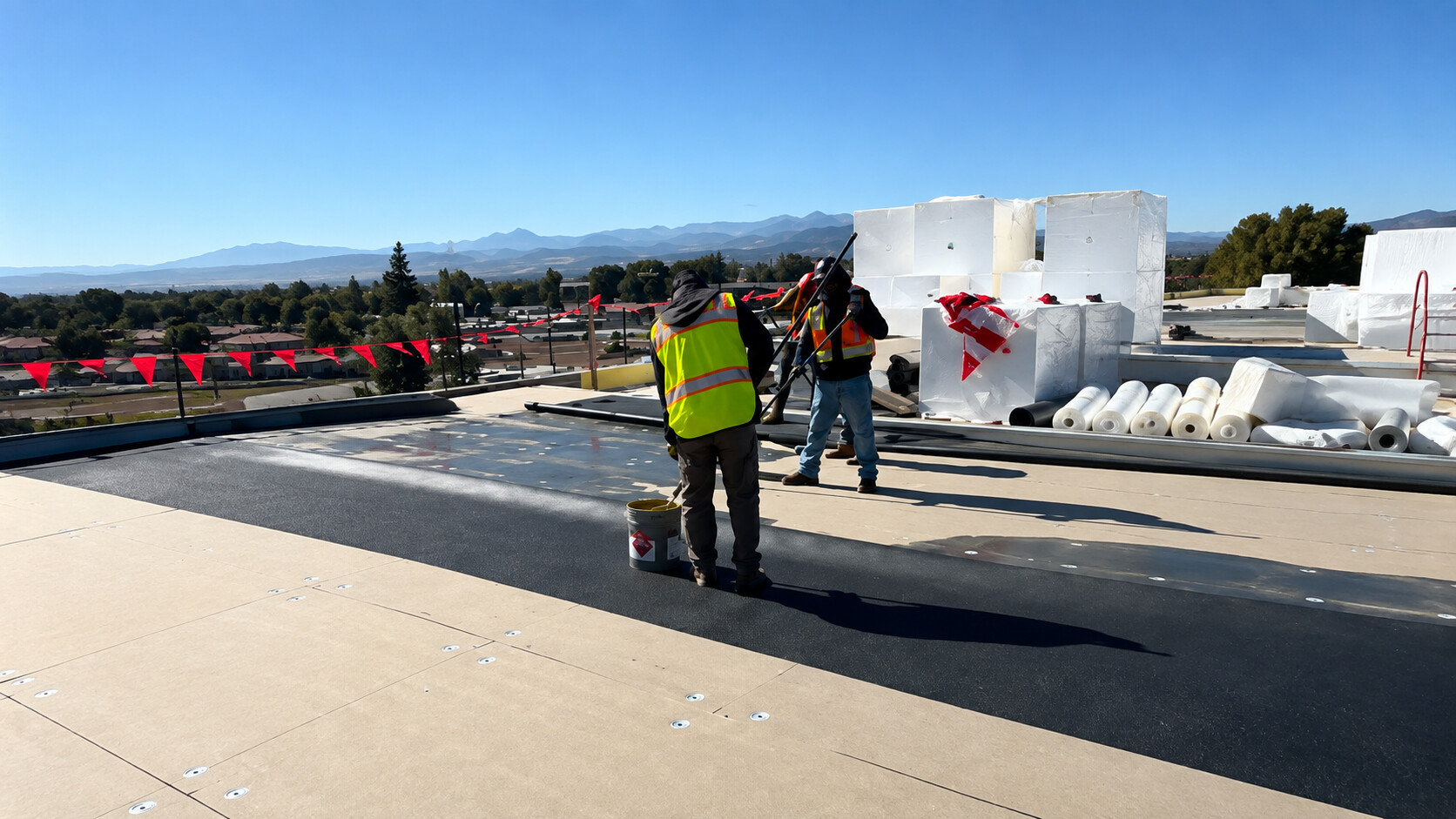
Roof coating works best when the underlying roof remains sound enough for restoration. We'll inspect the existing system and look for areas that need repair before coating. Then we'll explain which coating approach fits the roof.
Surface preparation affects how well a coating bonds. Our crew follows the approved preparation plan before applying the coating and checks the finished surface before wrapping up.
Our roof coating process
Each step helps us confirm that the roof is a good candidate for coating before application begins.
Share the roof type if you know it and describe any leaks or ponding you've noticed. You don't need to know which coating system belongs on the roof.
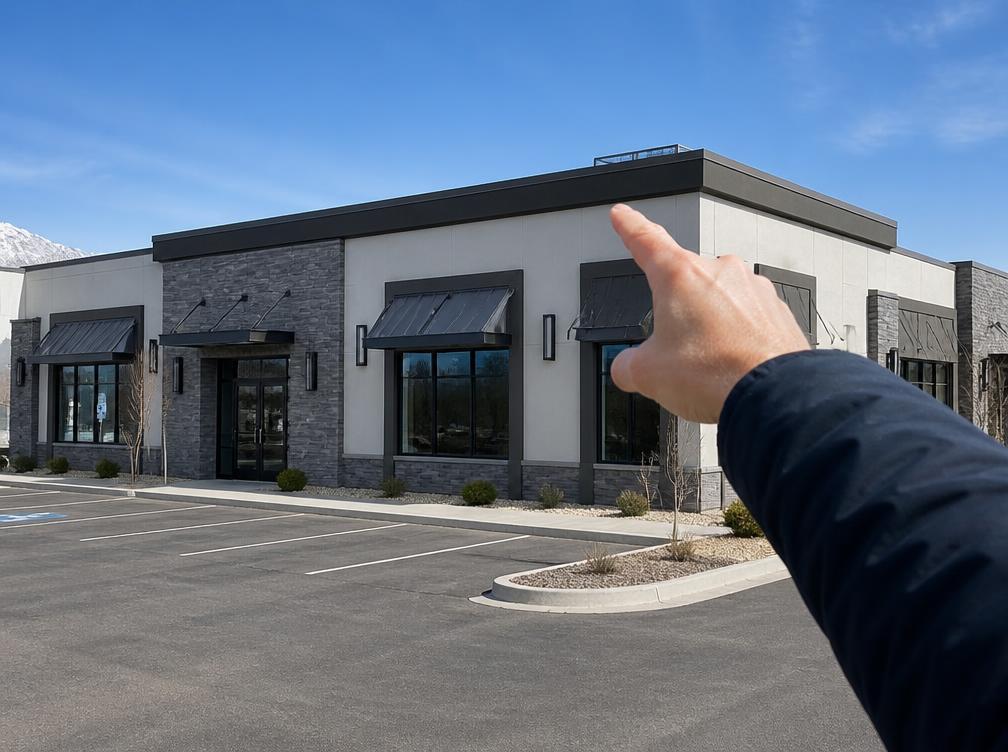
Our team inspects the existing roof surface and identifies areas that need repair. We also review drainage conditions that affect coating selection.
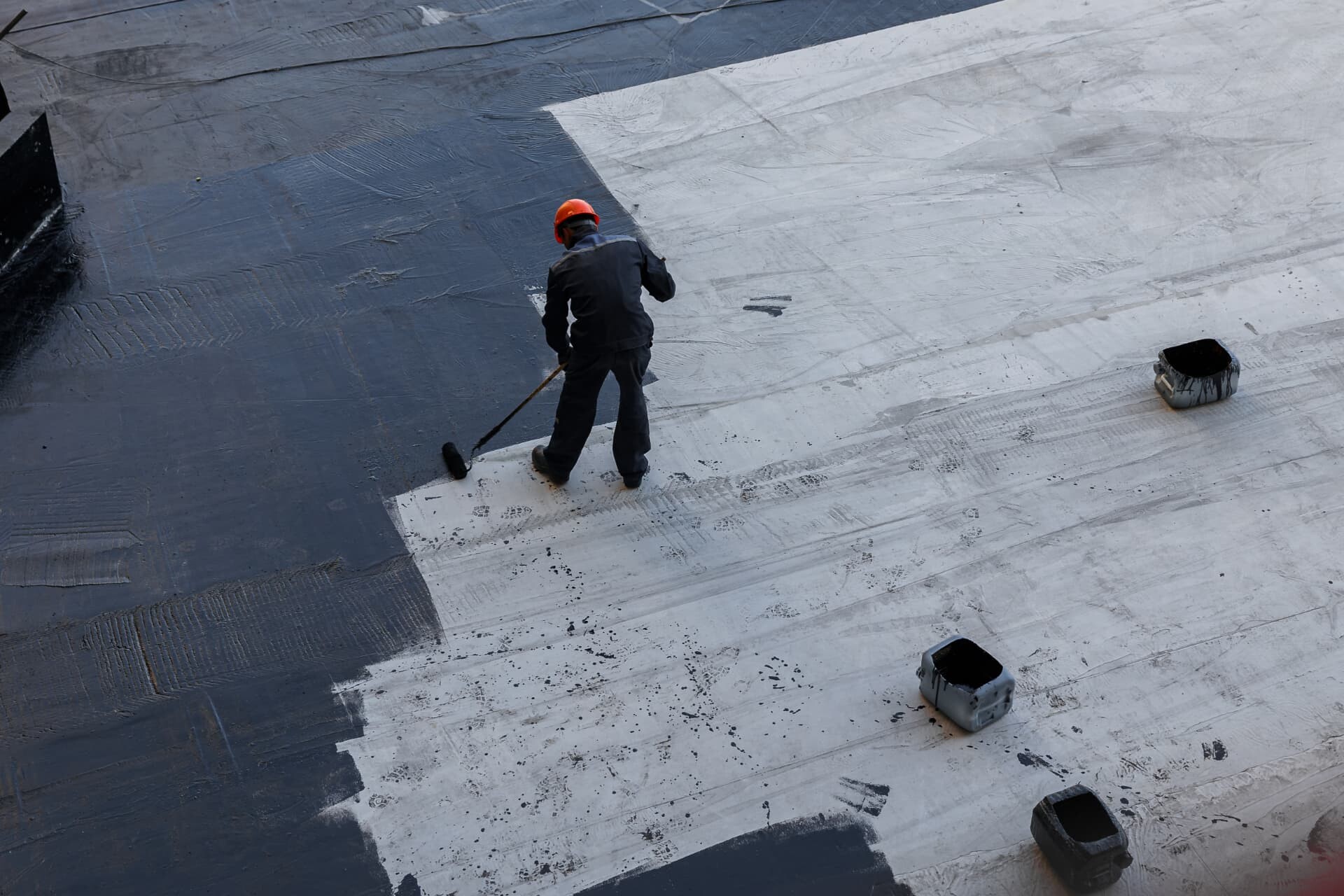
We'll explain the repair and preparation plan before work begins. The crew cleans the approved surface and addresses the areas included in the scope.
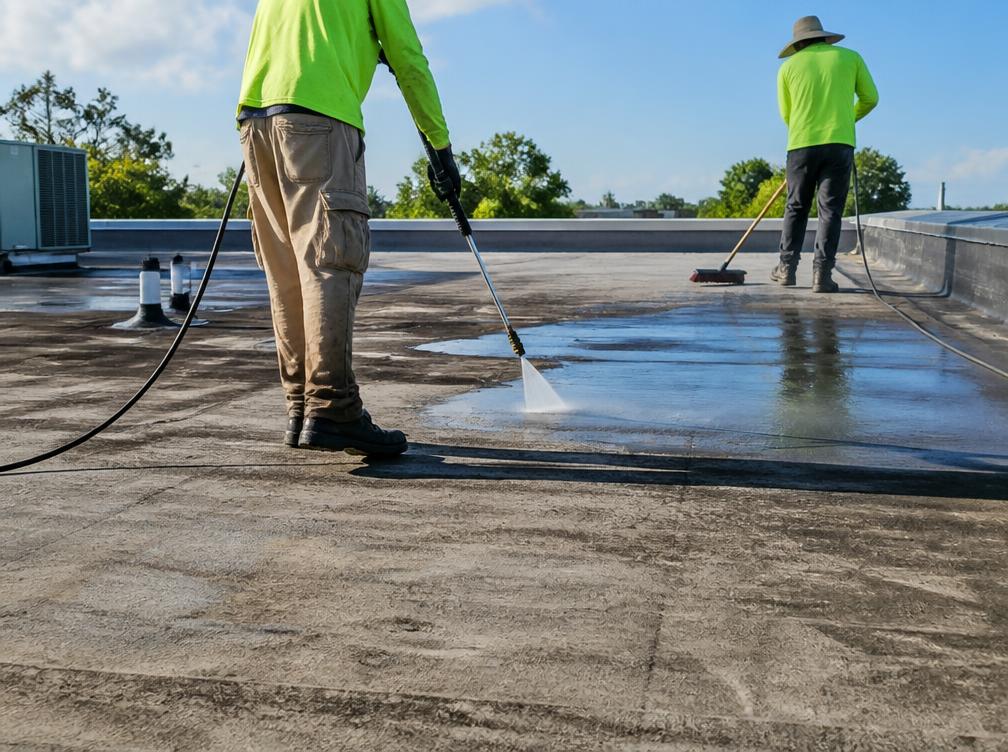
The crew applies the selected coating system in accordance with the project plan. After the application, we review the finished surface and answer your questions about future maintenance.
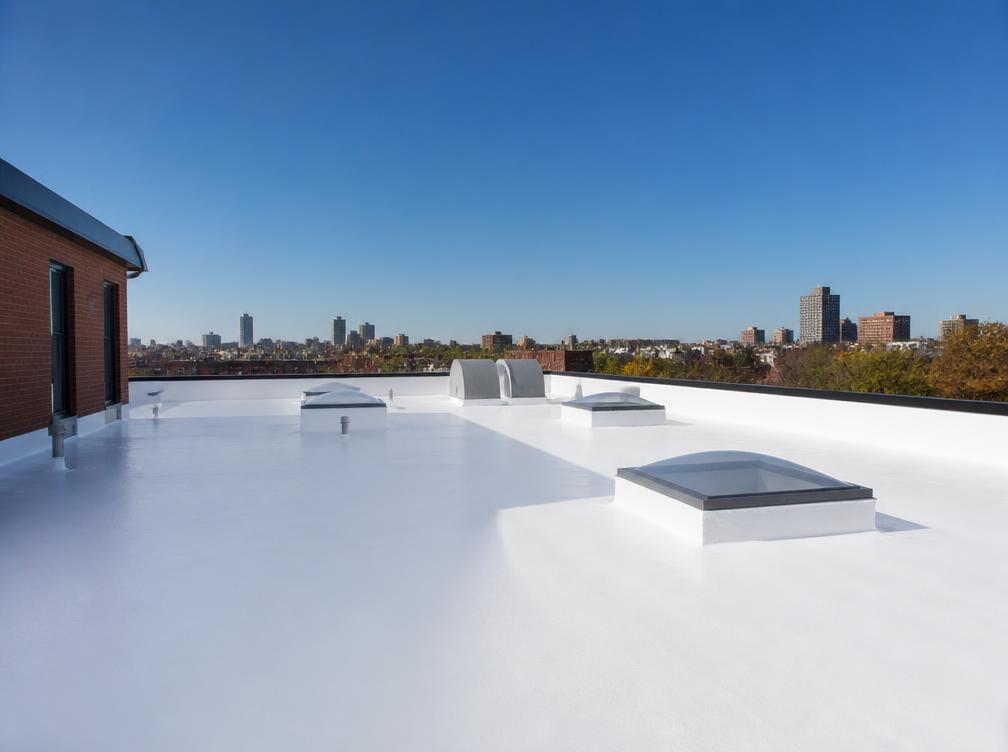
What determines fit
A coating needs a roof that remains suitable for restoration. We'll look for damage that needs a different repair before recommending the system.
The roof surface needs proper cleaning and preparation before coating. We'll follow the product requirements for the approved system.
Some coatings handle standing water better than others. We'll review how the roof drains before recommending the coating approach.
Customer feedback
I wasn't ready to replace my roof yet, so I just wanted someone to tell me what was actually going on. The team at Maximum Roofing Solutions came out, flew a drone over my roof, and showed me exactly what they were seeing. I really appreciated that they walked me through the photos instead of just handing me a quote. They explained what needed attention now, what could wait, and answered every question I had without making me feel pressured. It honestly felt more like they were helping me make the right decision than trying to sell me a roof. That kind of honesty is hard to find these days.
I've worked in the roofing industry for years and this is the most knowledgeable and capable roofing contractor I've ever met. Where other roofers look for the easiest way to finish the job, he looks for the best way to finish the job. They don't cut corners, or do things to the minimum standard. He sets the bar higher than required, and meets it every time.
Roof coating questions
Roof coating cost depends on the roof area and the condition of the existing surface. Required repairs also affect the scope. The coating system and specified application thickness influence material use. We'll inspect the roof and prepare an estimate for the approved restoration plan.
Service life depends on the coating product and how well the existing roof was prepared. Applied thickness also affects many manufacturers' warranty terms. We'll explain the product requirements for your roof and what future inspection or recoating may involve.
We first find and repair the source of active leaks. The roof also needs to remain suitable for restoration before coating begins. If we find trapped moisture or more serious damage, we'll explain why the roof needs a different approach.
Silicone and acrylic coatings respond differently to water exposure and application conditions. Silicone products generally handle ponding water better, while acrylic systems usually need positive drainage. We'll confirm product compatibility and explain which coating type is best for the roof we inspect.
Reflective coatings reduce the amount of solar heat the roof surface absorbs. Actual building energy savings vary with insulation and roof design. We'll explain the coating's published reflectivity rather than promise a specific utility bill reduction.
Talk with our roofing team
Tell us what you've noticed on the existing roof. We'll inspect the surface and explain whether a coating fits the current system. If it does, we'll prepare a clear estimate for the restoration plan.